Buying

Decide what you are buying before you go looking.

The portals already show you houses. What they cannot do is tell you what a particular house will cost to own, or which of the four things you want you are actually going to have to trade. That is the work, and most of it happens before anyone writes an offer.

We also manage homes across Greater Phoenix through AZ Affordable Rentals, which means we pay the repair invoices and the cooling bills on houses in these neighborhoods every month. When we put a cost of ownership beside a house you are considering, that is where the figures come from.

Step One

What actually matters to you

Four questions, and they are worth real time. Where you want to be, which in a valley this wide is a commute decision and a school decision before it is a neighborhood decision. What you are comfortable spending, as a monthly payment with taxes, insurance and any HOA dues in it, rather than as a price. What condition you are willing to take on, and what has to be done before you move in. And how you want to live in it: one story or two, a yard you maintain or one you do not, a garage, a room with a door that closes.

Most buyers change at least one of those answers during this conversation. That is the point of having it first, and it is cheaper to change your mind here than in escrow.
Step Two

Comparing homes on two passes

We look at a short list of houses with you twice. The first pass is how it feels, which is the part you do not need help with. The second pass is what it costs to own, which is the part we are useful for.

Age of the roof and of the air conditioner, and whether the cooling is refrigerated or evaporative. Whether the windows have been done. Pool equipment and what it runs. HOA rules you would be agreeing to, and what they cost per month. What similar homes on that street rent for, which tells you something about the block that photographs will not. Those numbers go beside each house before you fall for one.

Step Three

Reading the price, and the tradeoffs

An asking price is an argument. We show you what the house sold for last time it traded, what comparable homes have closed at this quarter, how long this one has been on the market, and whether the price has moved. Then we tell you where we think there is room and where we think there is not.

Tradeoffs get named rather than smoothed over. A lower price on a busier street. A better street with the kitchen you were going to redo anyway. More house, further out, with the drive you would be making five days a week. We will tell you when we think a house is priced correctly and you should not expect to negotiate it down.

Step Four

When it is time to offer

Price is one term out of several, and the others are where offers are won and lost. Earnest money and what puts it at risk. The length of the inspection period and what you can still walk away from inside it. Appraisal and loan contingencies. The close date against the day your lease ends. Repair requests, and which ones a seller is likely to do rather than credit. We explain what each term gives up in order to get something else, then you choose.

After it is accepted: inspections booked, the report read through with you line by line, repair negotiation handled, and every deadline tracked to closing. You will know where it stands before you have to ask.

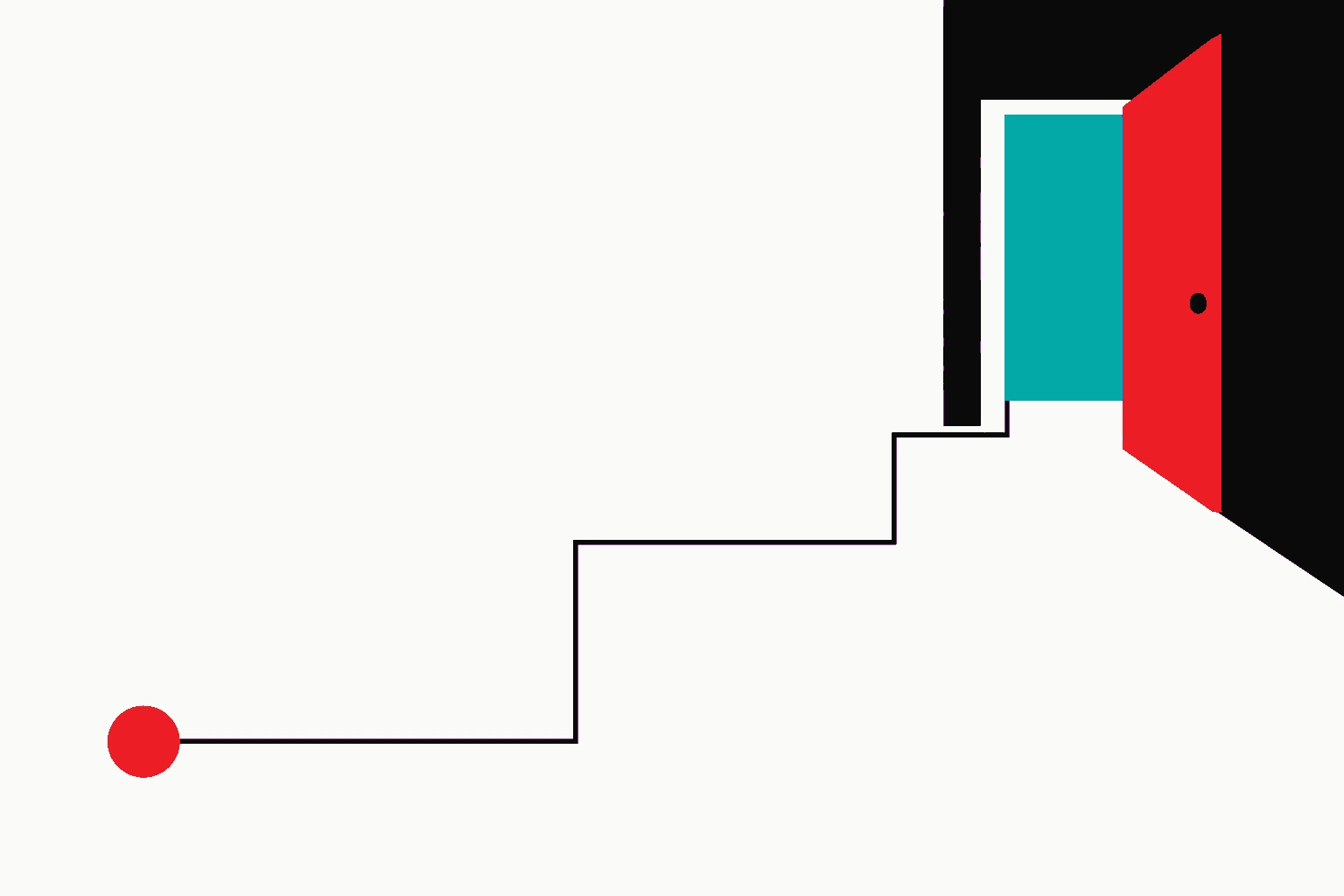
A line of steps rising from a single dot to an open door.

From offer to keys

You should know what happens next before it happens.

Earnest money, the inspection period, the appraisal and loan contingencies, the close date against your lease. We walk the sequence with you up front so no part of it arrives as a surprise with a deadline attached.

Tell us the box.

Give us the four answers from step one, even the uncertain versions, and we will watch the whole market against them and bring you what fits. Our own current listings are on their own page. The rest of the market we search with you rather than republish here, because publishing listings that belong to another brokerage takes a display license we do not hold, and we would rather show you nothing than show you something we are not licensed to publish.